Acrylic resin stands as one of the most versatile and widely used materials in modern manufacturing. From high-performance coatings and adhesives to automotive finishes, construction sealants, and consumer goods, acrylic resins form the backbone of countless industrial and commercial applications. Behind every superior acrylic-based product lies a trusted manufacturer—one that combines chemical expertise, quality control, and supply chain reliability.
For businesses seeking to source acrylic resins, whether for coatings formulations, adhesive production, or specialty applications, selecting the right manufacturer is a strategic decision that directly impacts product performance, consistency, and profitability. This guide provides a comprehensive overview of the acrylic resin manufacturing landscape, key considerations for supplier selection, and how to build lasting partnerships that drive mutual success.
What Are Acrylic Resins?
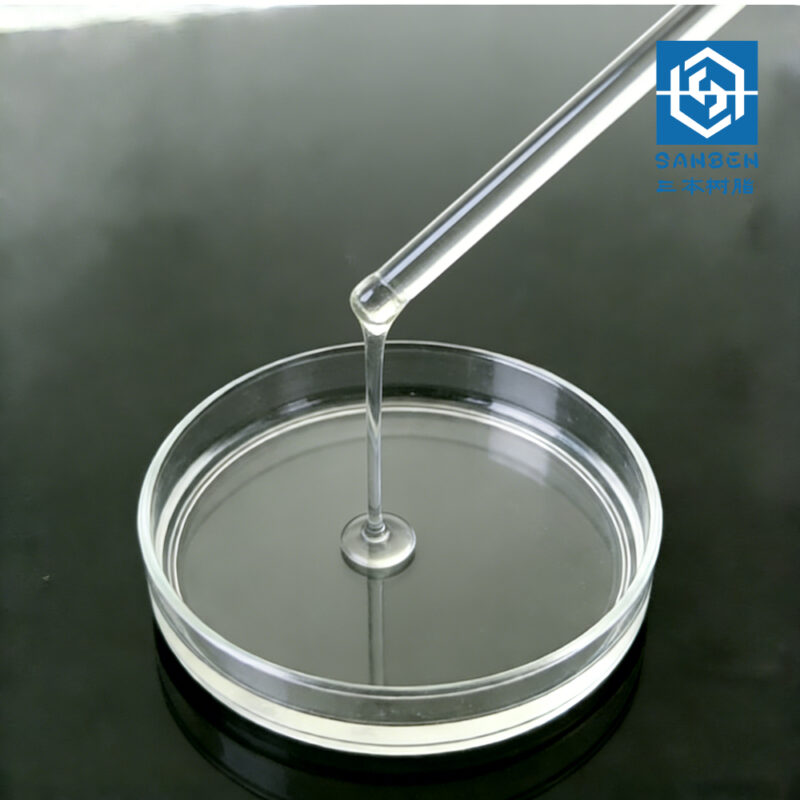
Acrylic resins are a class of synthetic polymers derived from acrylic acid, methacrylic acid, or their esters. These polymers are characterized by exceptional clarity, weather resistance, durability, and versatility in formulation. Depending on their composition and polymerization process, acrylic resins can be produced as:
- Thermoplastic acrylic resins: These soften when heated and harden upon cooling, offering excellent gloss, color retention, and weatherability. They are widely used in automotive topcoats, architectural paints, and plastic coatings.
- Thermoset acrylic resins: These undergo cross-linking reactions to form permanent, three-dimensional networks. They offer superior chemical resistance, hardness, and durability, making them ideal for industrial coatings, powder coatings, and high-performance adhesives.
- Solvent-borne, waterborne, and high-solids acrylics: Modern acrylic resin manufacturers offer formulations tailored to environmental regulations and application requirements, including low-VOC and eco-friendly options.
Key Applications Across Industries
Acrylic resins serve a diverse array of industries, each demanding specific performance characteristics:
Coatings and Paints
Acrylic resins are the backbone of architectural paints, automotive coatings, industrial finishes, and wood coatings. Their exceptional UV resistance ensures that colors remain vibrant and surfaces protected from weathering over extended periods.
Adhesives and Sealants
Acrylic-based adhesives offer strong bonding, flexibility, and durability across substrates including metals, plastics, glass, and composites. They are essential in construction, automotive assembly, and pressure-sensitive tape manufacturing.
Construction Materials
In the construction sector, acrylic resins are used in waterproofing membranes, concrete sealers, and exterior insulation systems. Their weatherability and adhesion properties make them ideal for demanding building applications.
Printing Inks and Graphic Arts
Acrylic resins provide the film formation, pigment wetting, and adhesion required for high-quality printing inks, varnishes, and overprint coatings.
Textile and Leather Finishes
Specialty acrylic resins offer soft hand feel, durability, and resistance to washing, making them valuable in textile coatings and leather finishing applications.
Selecting a manufacturer is about more than comparing price lists. The ideal partner should demonstrate excellence across several critical dimensions.
1. Technical Expertise and R&D Capabilities
A leading acrylic resin manufacturer invests significantly in research and development. This enables them to:
- Develop custom formulations tailored to specific application requirements
- Adapt to evolving regulatory standards, including VOC limits and environmental regulations
- Innovate with sustainable solutions, such as bio-based acrylics and waterborne technologies
When evaluating manufacturers, inquire about their R&D facilities, technical support capabilities, and history of successful custom formulation projects.
2. Consistent Quality Control
In the chemical manufacturing industry, consistency is paramount. Variations in resin properties can cascade into formulation failures, production downtime, and compromised end-product performance.
Reputable manufacturers operate under rigorous quality management systems, including:
- ISO 9001 certification for quality management
- Batch-to-batch consistency testing
- Comprehensive raw material traceability
- In-process and final product testing protocols
Request quality documentation and, where possible, conduct site audits or request sample batches to verify consistency before committing to large-scale orders.
3. Manufacturing Capacity and Scalability
Your manufacturer’s production capacity should align with your current needs while accommodating future growth. Key considerations include:
- Total annual production capacity
- Flexibility to handle both small-scale pilot batches and large-volume commercial orders
- Lead times and production scheduling reliability
- Redundancy and contingency planning for raw material supply
A manufacturer with scalable operations can grow alongside your business, ensuring uninterrupted supply as demand increases.
4. Regulatory Compliance and Sustainability
Increasingly, businesses are evaluated not only on product quality but also on environmental responsibility. A forward-thinking acrylic resin manufacturer should demonstrate:
- Compliance with REACH, RoHS, and other regional regulatory frameworks
- Commitment to reducing VOC emissions through waterborne and high-solids technologies
- Sustainability initiatives, including energy efficiency, waste reduction, and responsible sourcing
Partnering with a manufacturer that prioritizes sustainability helps future-proof your supply chain against tightening environmental regulations.
5. Technical Support and Partnership Approach
The relationship with an acrylic resin manufacturer should extend beyond transactional purchasing. The best manufacturers act as technical partners, offering:
- Application engineering support
- Formulation assistance and troubleshooting
- Joint development programs for new products
- Responsive customer service and clear communication
This collaborative approach accelerates product development cycles and reduces time-to-market for new formulations.
The Sourcing Process: From Evaluation to Partnership
Step 1: Define Your Requirements
Before approaching manufacturers, clearly define your technical requirements:
- Desired resin properties (viscosity, solids content, glass transition temperature, etc.)
- Application method and end-use requirements
- Regulatory compliance needs
- Volume projections and packaging preferences
Step 2: Conduct Preliminary Screening
Create a shortlist of manufacturers based on:
- Industry reputation and references
- Technical capabilities aligned with your needs
- Geographic location and logistics considerations
- Certifications and quality systems
Step 3: Request Samples and Technical Data
Never commit to a supplier without testing their products. Request representative samples and:
- Conduct formulation trials in your own laboratory
- Evaluate performance against your specifications
- Compare batch-to-batch consistency across multiple lots
Step 4: Quality Audit and Supplier Qualification
For critical applications, consider conducting a supplier audit. Evaluate:
- Manufacturing processes and quality controls
- Raw material sourcing and testing
- Laboratory capabilities and personnel qualifications
- Safety and environmental management systems
Step 5: Establish Supply Agreements
Once a manufacturer is qualified, formalize the relationship with clear agreements covering:
- Pricing and payment terms
- Lead times and delivery schedules
- Quality specifications and acceptance criteria
- Confidentiality and intellectual property protections
Industry Trends Shaping the Future
The acrylic resin industry is evolving rapidly, driven by technological advances and market demands:
Sustainability and Bio-Based Resins
Manufacturers are increasingly developing acrylic resins derived from renewable feedstocks, reducing dependence on fossil fuels while maintaining performance characteristics.
Waterborne Technologies
Regulatory pressure and environmental awareness are accelerating the shift from solvent-borne to waterborne acrylic resins, particularly in architectural and industrial coatings.
High-Performance Formulations
Demand for resins offering enhanced durability, chemical resistance, and application efficiency continues to grow across automotive, aerospace, and industrial sectors.
Digitalization and Supply Chain Transparency
Advanced manufacturers are leveraging digital tools to provide customers with real-time visibility into production status, quality data, and supply chain traceability.
Conclusion
Selecting the right acrylic resin manufacturer is a strategic decision that influences product quality, operational efficiency, and competitive positioning. By prioritizing technical expertise, quality consistency, manufacturing capability, and a collaborative partnership approach, businesses can secure a reliable supply chain that supports long-term growth.
In a market where performance and reliability are non-negotiable, the right manufacturing partner becomes not just a supplier, but a catalyst for innovation and market success.